

Leading the Future of USV Outboard Integration: Why Propulsion Must Evolve with the Mission
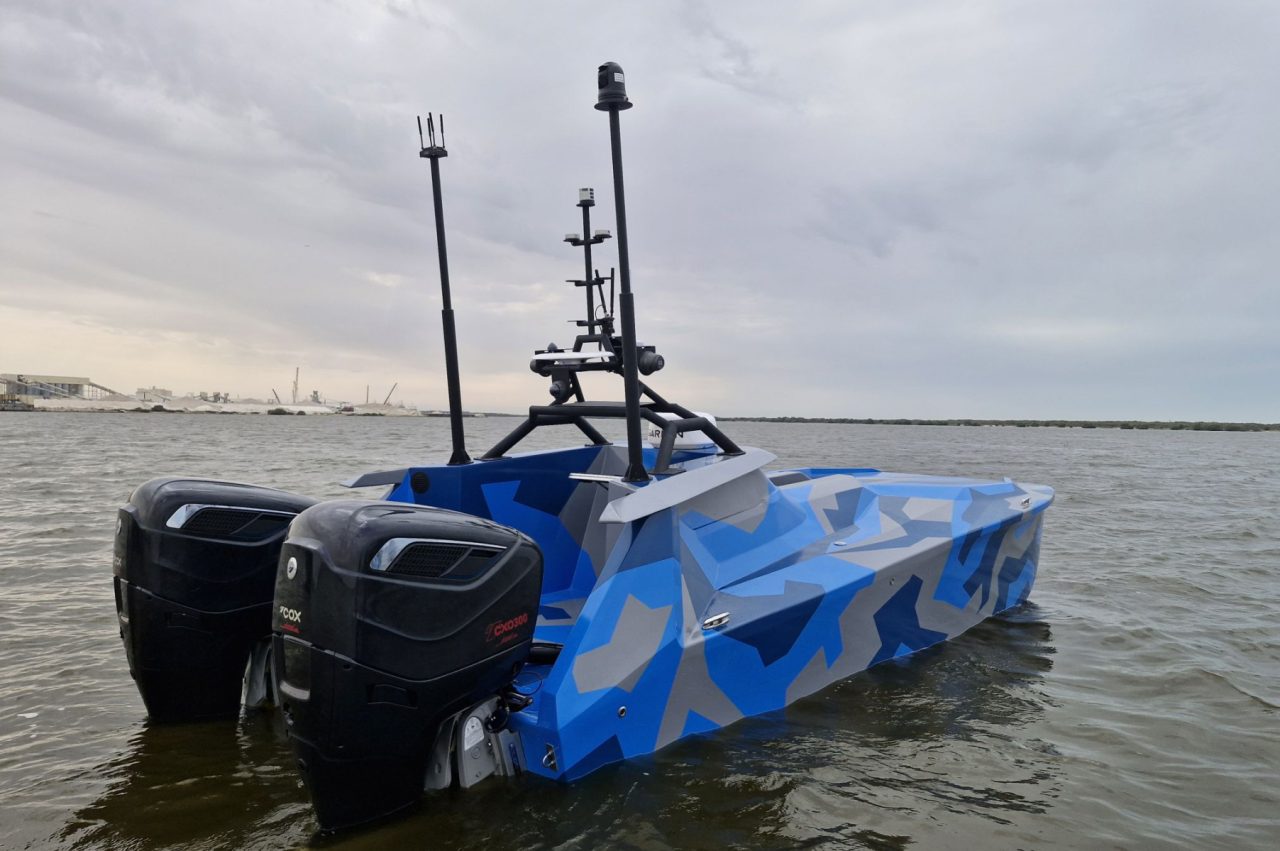
As defence, government, and commercial operators accelerate their adoption of uncrewed surface vessels (USVs), one factor has quickly become clear, and that is propulsion can no longer be treated as a standalone component. In modern maritime programmes, particularly those driven by autonomy, success hinges not just on engine performance, but on how seamlessly the propulsion system integrates into the wider platform. Stephen Pitt explains.
Why Integration Matters More Than Ever
At Cox Marine, integration has become one of our strongest differentiators. Over the past several years, we’ve supported a growing number of USV programmes around the world, from first‑of‑type demonstrators to operational fleets. Across these projects, one theme repeats itself: the outboard must act as a system enabler, not just a power unit.
Whether a vessel is crewed or uncrewed, the propulsion system sits at the centre of its capability. But for USVs, operating with high duty cycles, long loiter times, and limited human intervention, the requirements are very specific. Uptime, predictability, repeatability, and ease of service become mission‑critical.
Equally important is the propulsion system’s ability to communicate. Autonomy stacks, vessel control systems, payloads, and remote command networks all depend on clean, reliable data exchange. If the propulsion cannot be monitored, managed, or integrated effectively, the vessel cannot perform to its potential.
Building an Outboard Designed for System Level Performance
Cox’s Marine’s diesel outboard platform was engineered from the outset to support these types of advanced applications. But hardware alone isn’t enough. True USV outboard integration requires an open approach, one that aligns with the modular and interoperable design philosophies of modern defence and autonomy programmes.
Our open CAN network architecture enables the engine to interface cleanly with a wide range of systems, including:
- advanced autonomy and navigation stacks
- vessel control systems
- power management and monitoring suites
- mission-specific payloads
This openness gives integrators the freedom and transparency they need to tailor the system to the vessel’s purpose. It reduces friction, accelerates development timelines, and ensures the propulsion becomes a reliable part of the wider operational picture.
A Dedicated Integration Capability
Cox Marine made a deliberate choice, to build a specialised technical integration function focused specifically on USVs and first‑of‑type applications. This includes extensive experience integrating outboard motor systems (OBM) into advanced autonomous and defence platforms.
My role, along with the work of our engineering teams, is to provide hands‑on support to customers navigating the unique challenges that come with uncrewed and prototype platforms. These projects often push the boundaries of design, requiring flexibility, iteration, and fast problem solving.
This level of involvement is unusual in the marine propulsion industry. Many engine suppliers limit support to off‑the‑shelf configurations. But our customers, particularly in defence and autonomy, operate in high‑stakes environments where technical risk must be minimised.
For us, investing in integration support is a strategic choice. It builds relationships, accelerates capability, and ultimately helps the sector mature more quickly. Every day, we see how early and close integration between propulsion and platform teams reduces technical risk:
- Issues are discovered sooner
- Performance is optimised earlier
- Programme delays are minimised
- Vessels reach operational readiness faster
This is especially valuable for USV customers, whose timelines are shorter and whose missions often evolve rapidly through trials and learning cycles.
When propulsion becomes a collaborative element rather than an isolated one, it strengthens the entire programme.
Supporting the Future of Maritime Autonomy
The pace of change in the USV sector is extraordinary. Programmes that would once have taken years now move from concept to deployment within months. As a propulsion partner, our role is to match that pace while ensuring reliability, safety, and system-level performance remain uncompromised.
With our diesel outboards, we’re providing an integration capability designed for the next generation of maritime operations, crewless, connected, and mission‑assured.
The future of autonomy depends on propulsion that can keep up. And we’re committed to leading that evolution.

About the Authour
Stephen Pitt is Head of Technical Integration at Cox Marine, leading propulsion integration across advanced USV, defence, and government projects. With deep experience in system engineering and uncrewed platform development, he supports customers through complex first‑of‑type challenges, ensuring seamless interoperability, reduced technical risk, and mission‑ready performance across modern maritime operations.

Find a Cox Marine Dealer

About Cox Marine

