

Counter-drone USV fitted with twin 300 V8 diesel outboards
A case study on the STORMRUNNER USV, featuring twin 300hp V8 diesel outboards delivering high torque, fuel efficiency and seamless system interoperability.
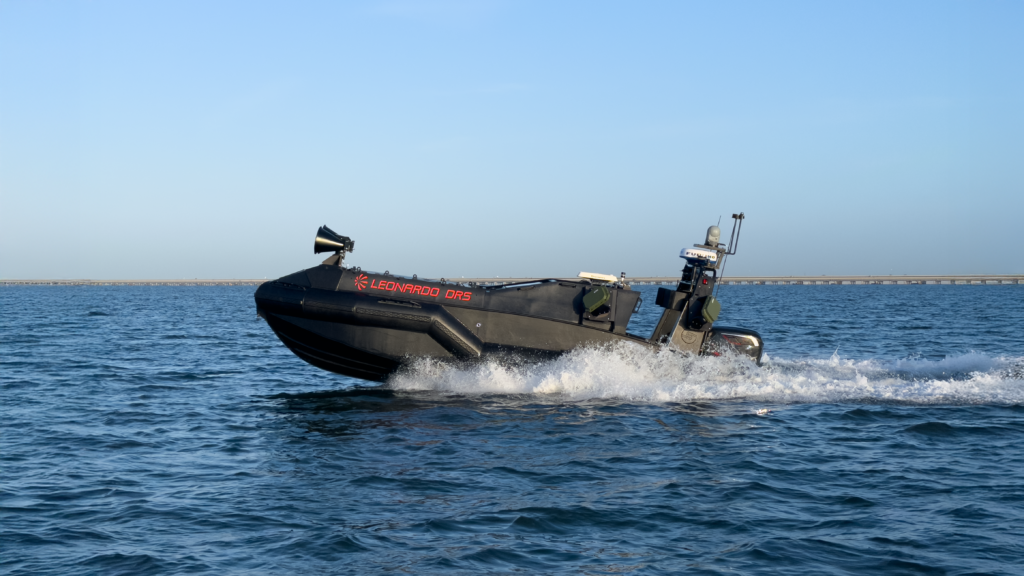
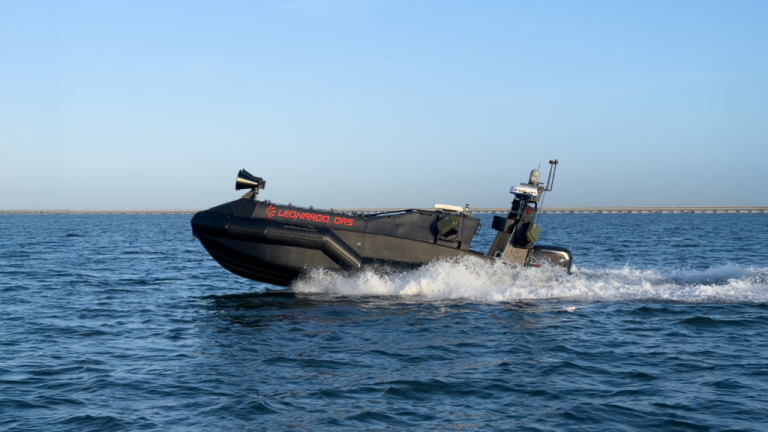
A recent collaboration between Sea Machines Robotics and Leonardo DRS provides a useful case study in how unmanned surface vessel (USV) capability is evolving, and where propulsion fits within that shift.
At the centre of the project is the STORMRUNNER, an 8-metre autonomous USV designed for offshore operations, combining high speed, long endurance and a modular payload architecture. The platform has been selected to demonstrate Leonardo DRS’s Maritime Mission Equipment Package (M‑MEP), a system that integrates radar, electro‑optical/infrared sensors and AI-enabled command and control to detect and respond to aerial drone threats in real time.
With a top speed in excess of 40 knots and extended operational range, the vessel is designed for demanding missions such as maritime patrol, surveillance and force protection. Its autonomous capability enables it to operate without onboard crew, extending reach while reducing risk in high-threat or remote environments.
From a systems perspective, the project highlights the growing importance of modular, platform-agnostic design. The M‑MEP can be integrated across both crewed and uncrewed vessels, enabling faster deployment of capability in response to emerging threats. This reflects a broader shift in maritime thinking, where vessels are increasingly viewed as flexible, multi-role platforms rather than fixed-function assets.
However, while much of the focus in developments like this is on sensors, autonomy and mission systems, propulsion remains a critical component of overall performance.
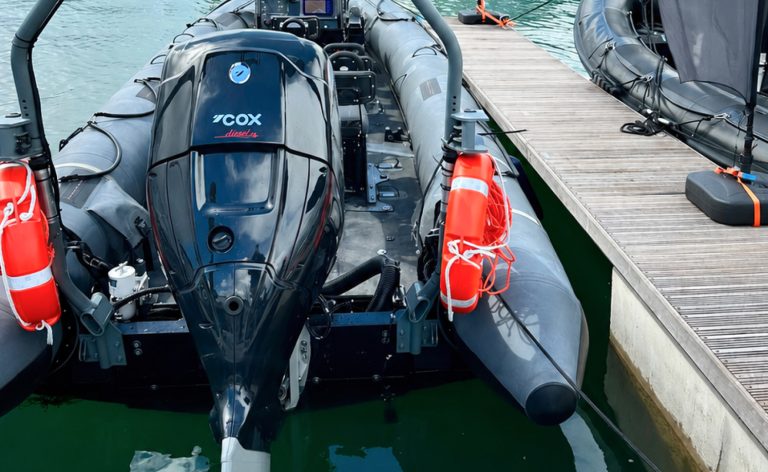
In the case of STORMRUNNER, the platform incorporates a twin 300hp V8 diesel outboard configuration, providing the high torque, fuel efficiency and reliability required to achieve its high speed, long endurance operational profile. Supporting both performance and integration, the twin V8 diesel outboards also offer the interoperability required to integrate with onboard systems, control architectures and remote operations.
This type of configuration reflects the wider shift in USV development, where propulsion is not only expected to deliver performance, but to operate as an integrated element within increasingly complex, autonomous vessel systems.
Additionally, the use of outboard propulsion frees up valuable internal hull volume, enabling greater payload capacity for mission equipment and enhancing overall operational flexibility.
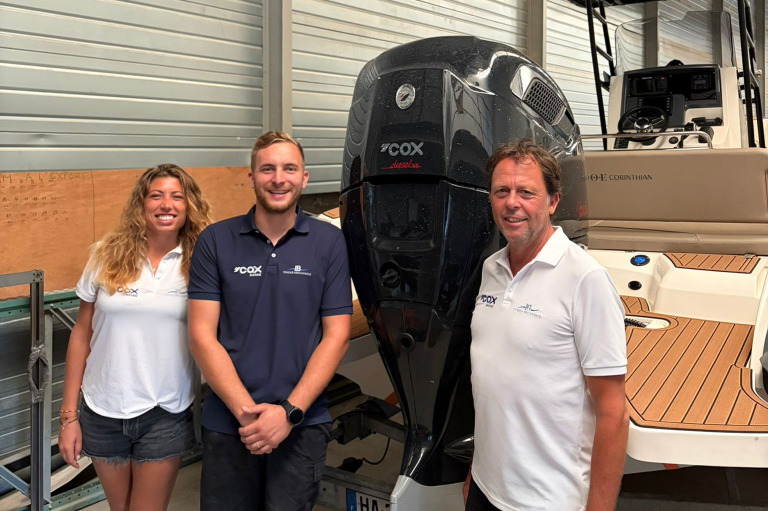
As Cox Marine continues to strengthen its global distributor network under its “fewer, bigger, better” growth strategy, trusted regional partners play a vital role in delivering technical expertise, aftersales support and customer confidence. In France, LB Tender Mechanics is at the forefront, bringing decades of marine engineering experience and a strong service infrastructure to support the growing adoption of diesel outboard technology.


Find a Cox Marine Dealer

About Cox Marine

