

Why Single-Fuel Logistics Matters for Modern Defence and Security Fleets
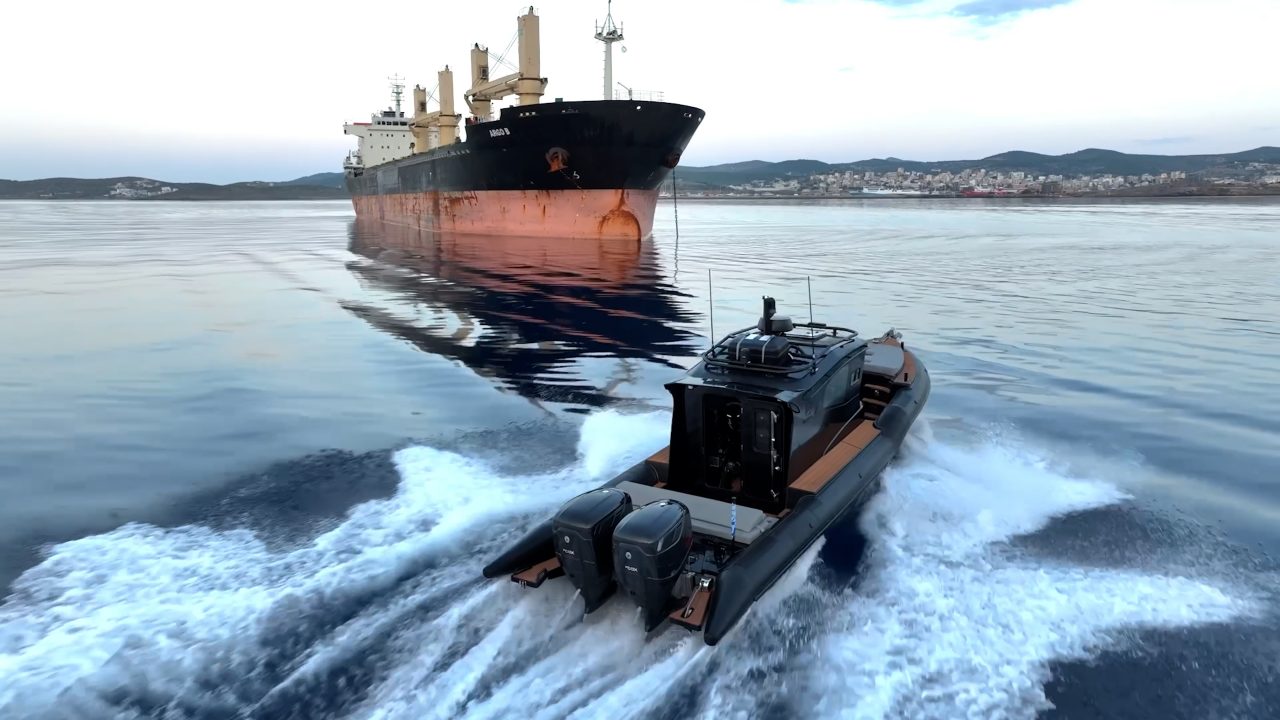
What Is Single-Fuel Logistics?
At its simplest, single-fuel logistics refers to the use of one fuel type across a broad range of vehicles, vessels and equipment within an organisation.
For naval and maritime operations, this approach offers clear advantages. Rather than maintaining separate supply chains for petrol and diesel-powered assets, operators can streamline fuel storage, transportation and refuelling procedures around a common fuel standard.
The concept is not new, but its relevance is growing as defence fleets seek greater interoperability, operational flexibility and logistical efficiency.
The Challenge of Managing Multiple Fuel Types at Sea
Operating a mixed-fuel fleet inevitably introduces complexity.
In many defence and security organisations, larger vessels operate using diesel-based fuels such as F-76, while smaller patrol craft, RHIBs and support vessels may rely on petrol-powered outboard engines. This creates parallel fuel supply chains that must be managed simultaneously.
Separate fuel storage systems, dedicated handling procedures and additional transportation requirements all increase the burden on logistics teams. Every additional fuel type adds another layer of planning, procurement and risk management, particularly when assets are operating from forward bases, deployed vessels or remote coastal locations.
The challenge becomes even greater during extended operations. Maintaining stocks of multiple fuels requires additional storage capacity and careful inventory management, while resupply missions become more complex and potentially more costly. A shortage of one fuel type can affect the availability of specific assets, even when other fuels remain readily available.
For vessels deployed in remote locations or supporting extended missions, supply disruptions, storage limitations and refuelling constraints all have the potential to affect operational readiness.
How F-76 Supports Naval Fuel Standardisation
Across many naval fleets worldwide, F-76 fuel has become the foundation of fuel standardisation strategies.
F-76 is a distillate diesel fuel specifically developed for military maritime applications. It is widely used across naval vessels because it supports commonality throughout fleets while meeting the stringent operational requirements of defence operators.
By standardising around F-76, naval organisations can reduce logistical complexity and improve interoperability between different platforms.
Compatibility therefore becomes an important consideration when evaluating propulsion technologies. The ability to utilise the same fuel already carried by larger naval assets removes the need for separate petrol supply chains and creates a more efficient support structure across the entire fleet.
The Operational Benefits of Diesel Outboards
The advantages of single-fuel logistics become even more apparent when examining the role of modern diesel outboard engines.
First, diesel propulsion typically delivers improved fuel efficiency, helping operators maximise operational range while reducing fuel consumption.
Extended endurance is particularly valuable for patrol craft, security vessels and special operations platforms that may spend prolonged periods on station without immediate access to refuelling infrastructure.
Safety also remains a key factor. Diesel fuel is inheritably less volatile with a lower ignition risk owing to its higher flashpoint compared with petrol, making storage and handling more manageable, and more safe, in demanding operational environments.
Perhaps most importantly, diesel outboards help reduce logistical burden. When smaller vessels can operate using the same fuel carried by larger support ships and naval platforms, supply chains become simpler, more predictable and more resilient.
For military marine propulsion systems, these advantages can translate directly into enhanced mission effectiveness.
Supporting Patrol, Coastguard and Security Operations
Many of the organisations benefiting from single-fuel strategies operate beyond traditional naval environments.
Coastguards, border protection agencies, customs authorities and maritime security organisations often manage diverse fleets tasked with patrol, interdiction, search and rescue, and critical infrastructure protection.
These operations frequently require vessels to deploy rapidly and remain operational for extended periods with minimal logistical support. Standardising fuel requirements helps simplify fleet management while reducing operational downtime.
For procurement teams and boat builders alike, selecting patrol boat engines that align with wider fleet fuel strategies can support both immediate operational requirements and long-term cost efficiency.
Case Study: Fort Lauderdale Police Department
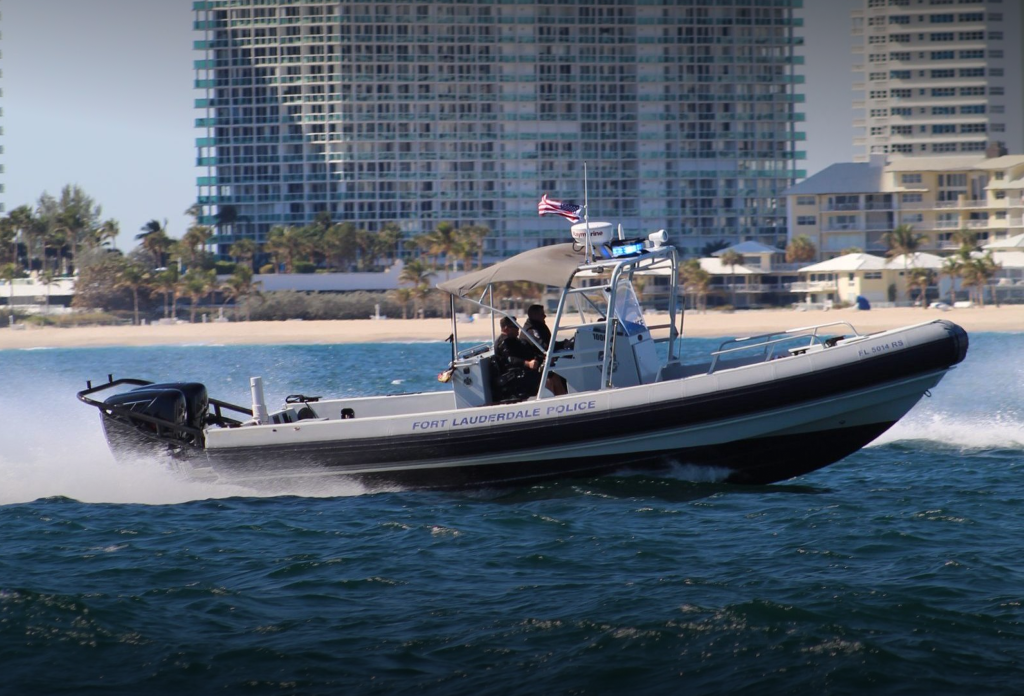
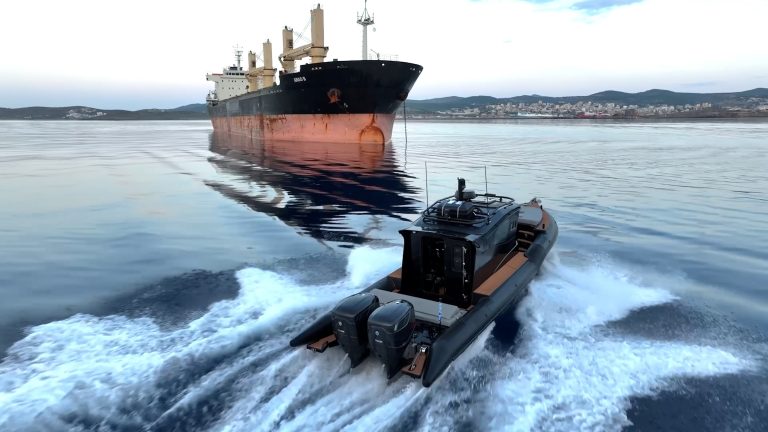
The value of a single-fuel approach can already be seen in front-line maritime operations. The Fort Lauderdale Police Department operates a 31-foot Impact RHIB 1000 powered by twin Cox Marine CXO300 diesel outboards, demonstrating how diesel propulsion can support the demanding requirements of law enforcement and maritime security mission
.Used in first responder operations, the vessel combines high-performance capability with the practical benefits of diesel fuel, including reduced fuel-handling complexity, simplified refuelling logistics and compatibility with wider diesel-based fleet strategies. During performance testing, the vessel achieved speeds of up to 49 mph (42.6 knots) while maintaining efficient fuel consumption across a range of operating speeds.
Single-Fuel Strategies and Uncrewed Surface Vessels
The growing adoption of Uncrewed Surface Vessels (USVs) is adding another dimension to the conversation.
As defence organisations increasingly employ autonomous and remotely operated platforms for surveillance, reconnaissance and force protection missions, logistical simplicity becomes even more important.
Using a common fuel source across crewed and uncrewed assets allows operators to support a wider range of platforms without expanding their fuel infrastructure. This can help accelerate deployment, simplify maintenance planning and improve overall fleet integration.
Why Fleet Interoperability Is Increasingly Important
Modern defence operations rarely occur in isolation.
Joint operations between naval forces, government agencies and coalition partners demand high levels of interoperability. Fuel commonality contributes directly to that objective by enabling assets to operate within shared support networks.
The fewer logistical obstacles that exist between platforms, the greater the operational flexibility available to commanders. Common fuel strategies help ensure vessels can be deployed, sustained and redeployed efficiently across a range of mission scenarios.
The Future of Single-Fuel Maritime Operations
As defence planners continue to focus on readiness, resilience and cost-effective capability development, the case for single-fuel logistics will only strengthen.
Future fleets are likely to place even greater emphasis on interoperability between crewed vessels, USVs and supporting infrastructure. Procurement decisions will increasingly consider not only platform performance but also the wider logistical ecosystem in which those platforms operate.
For defence operators seeking to reduce complexity while enhancing operational capability, fuel standardisation is a logistical consideration, and a strategic advantage.
The ability to support multiple maritime assets through a common fuel supply can improve efficiency, increase mission endurance and strengthen operational readiness across the entire fleet. In an increasingly complex security environment, that simplicity has never been more valuable.

About the Author
Hugh Hudleston is Global Business Development Director at Cox Marine, driving global growth and partnerships while championing advanced diesel outboard technology for government, commercial and high‑demand maritime operators worldwide. Passionate about supporting operators in demanding maritime environments, Hugh plays a key role in advancing Cox Marine’s presence across emerging and developing markets, where reliability, safety and mission assurance is critical.

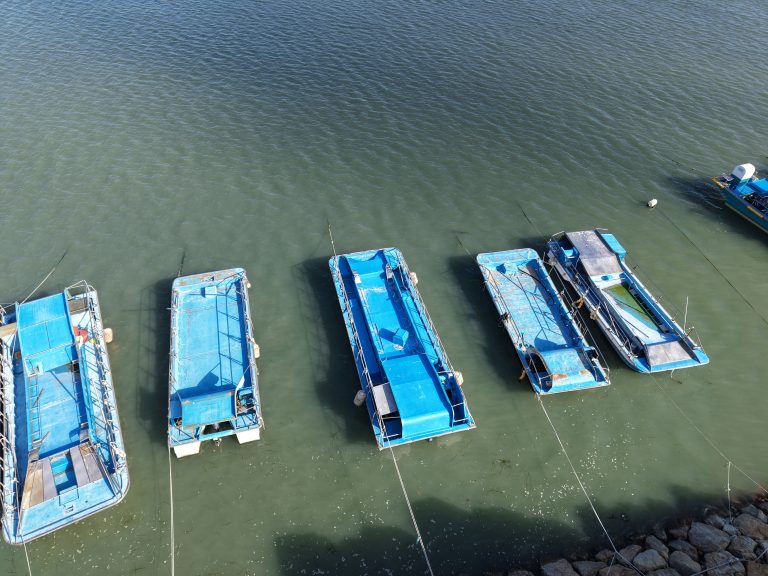
Cox Marine has received market feedback from South Korea indicating that its diesel outboard technology is delivering even greater fuel efficiency benefits than expected in the country's expanding seaweed harvesting industry, with operators reporting fuel savings of up to 50% compared with gasoline alternatives.

Find a Cox Marine Dealer

About Cox Marine

